You generally should not drive a 4WD truck with its CV axle removed. The vehicle may still move in two wheel drive, but that doesn’t make it safe for to drive. The real danger is not about losing four wheel drive. On most 4×4 pickups and SUVs, removing the complete axle can damage the hub bearing and make wheel assembly instable. Limited movement may be possible only if the front hub remains properly clamped and the manufacturer allows a temporary setup for that exact model.
Many 4wd trucks use the front axle to connect the front differential to the wheel hub. On some models, the outer end of the CV axle passes through the hub, and the axle nut keeps the wheel bearing properly clamped. Removing the complete CV axle can remove this clamping force and make the hub unsafe, even when the truck remains in 2wd high range.
You might be able to move the truck a short distance only if the manufacturer permits it and the wheel hub remains secured by a correctly installed and torqued outer CV joint or approved retaining stub. The truck must remain in 2WD, and any open axle bore must be properly sealed. Unlock the manual hubs if the truck has them, and never engage four wheel drive. See this as a limited shop movement, not a general limp home solution. Otherwise, tow the truck.
Can You Drive an AWD Truck Without the Front CV Axle?
No, you should not drive an AWD truck without the front CV axle. AWD systems expect continuous torque paths, sensor signals, and rotating driveline parts. A missing front axle can damage the drivetrain quickly. AWD trucks and crossovers often use:
- A front transaxle or front differential.
- Wheel-speed sensors.
- Traction-control logic.
- Torque-split clutches.
- Electronic stability control.
A missing CV axle can confuse the all wheel drive system. It may detect wheel-speed mismatch, clutch slip, or torque loss. The vehicle may enter limp mode, disable AWD, or damage driveline components.
What Happens If You Remove the Front CV Axle and Drive?
The biggest risk is at the front wheel hub. Many modern 4×4 pickups and SUVs use a two-piece unitized front hub and wheel bearing. The outer CV stub shaft passes through the hub splines, and the axle nut tightens that stack together. That clamp load helps keep the bearing and hub assembly together.
Remove the entire CV axle, and the clamp load disappears. The hub or bearing can separate. If that happens while the truck is moving, the wheel can tilt badly or come off. Also in
Some independent front suspension trucks come with another risk. Pulling the shaft can change how the front end carries load through the hub and ball joint area. In bad cases, the wheel can tilt within a few hundred feet. A missing shaft can also leave the steering knuckle or front differential open, allowing dirt and water in or differential fluid out.
Driving after removing the front CV axle can damage the wheel bearing, hub, differential, transmission, axle seal, ABS system, and suspension parts. The exact failure depends on the truck design.
| Problem | What Can Happen | Why It Happens |
|---|---|---|
| Wheel bearing or hub damage | Bearing loosens, overheats, or develops play. | Loss of axle-nut clamp load or preload. |
| Axle seal leak | Gear oil or transmission fluid leaks. | The inner joint disturbs or opens the seal. |
| Low differential fluid | Internal parts lose lubrication. | Fluid escapes through the axle opening. |
| Differential contamination | Dirt and debris enter the differential. | The axle opening is left unsealed. |
| Transmission or transaxle problems | Fluid loss or drivetrain issues can occur. | Some layouts depend on the installed axle. |
| ABS or traction-control faults | Warning lights or incorrect readings appear. | Sensor, tone-ring, or hub operation changes. |
| AWD or 4WD driveline problems | Driveline operation may be affected. | Part of the drivetrain is disconnected. |
A loose hub can create significant wheel movement, and a failed wheel bearing can lead to loss of control. The safer option is to repair the axle, tow the vehicle, or install the correct temporary stub assembly.
Does the Front CV Axle Hold the Wheel On?
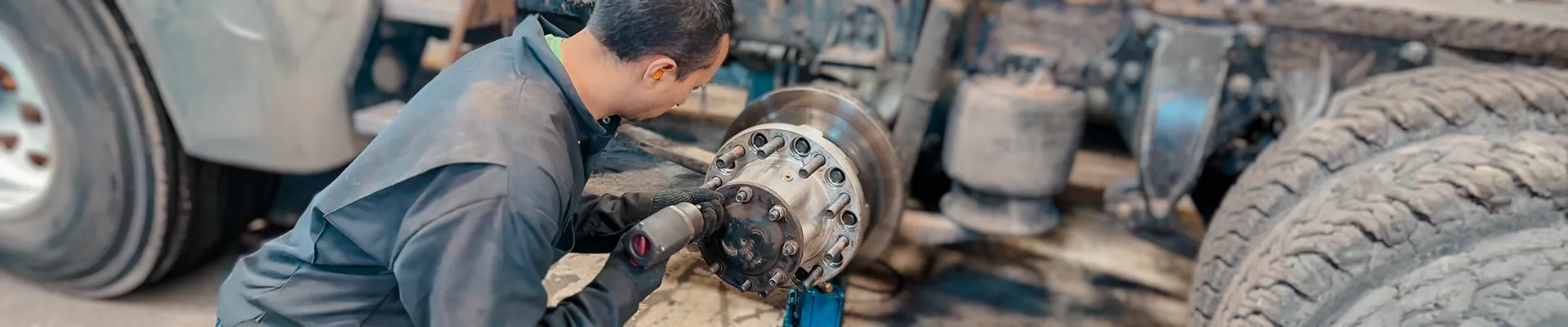
On many trucks, the front CV axle helps hold the hub and wheel-bearing assembly together. The wheel does not hang only from the axle, but the axle nut may clamp the hub bearing with a specified torque value. That’s an important point because some drivers assume the CV axle only transfers power. This assumption can be dangerous.
The axle nut often performs three main tasks:
- It clamps the hub bearing with factory-specified torque.
- It locks the outer CV stub into the hub splines.
- It maintains the hub alignment under steering and braking load.
When the axle is missing, the bearing may lose clamp load. A loose bearing can overheat, grind, separate, or damage the steering knuckle.
Use the factory service manual torque specification. Axle nuts often require replacement after removal because many designs use torque-to-yield, locking, or staked nuts.
Can a Rear-Wheel-Drive Truck Drive Without a Front CV Axle?
Yes, a rear-wheel-drive truck can drive without a front CV axle because it normally doesn’t use front drive axles. An RWD truck sends engine torque to the rear axle only. This works only when the truck is manufactured as rear-wheel drive. It does not apply to a 4WD truck with removed CV axles.
| Truck Type | Can It Drive Without a Front CV Axle? | Reason |
|---|---|---|
| Factory RWD truck | Yes | The front wheels do not receive drive torque |
| 4WD truck in 2H | Usually no | The hub may still need the axle stub and nut |
| AWD truck | No | System needs connected front driveline parts |
| FWD-based truck or van | No | CV axle drives the wheel and supports the hub |
| Solid front axle 4×4 | Not a front CV axle case | It may use U-joints or axle shafts instead |
Why Do Some Trucks Move Without a Front CV Axle?
Some trucks move without a front CV axle because the rear wheels still receive engine torque in 2WD mode. Movement only proves torque reaches the rear wheels. It does not prove that the front hub, bearing, or differential are safe.
A 4 wheel drive truck in 2H may still roll because:
- The transfer case sends torque to the rear driveshaft.
- The rear axle drives the rear wheels.
- The missing front axle does not stop rear-wheel torque.
- The front wheel still rotates freely on the hub.
Can You Drive With Only the Outer CV Stub Installed?
The truck may be able to move, but only if the outer CV stub is installed and the stub, washer, and axle nut correctly secure the wheel bearing. This setup is not a universal fix. It depends on the truck’s hub design and seal layout.
Some mechanics use an outer CV stub as a temporary bearing-retention part. This can keep the hub clamped when the full CV shaft is removed. Before moving the truck, make sure that:
- The stub fits the hub splines correctly.
- The axle nut is torqued to the manufacturer’s specification.
- The front differential or transaxle opening is properly sealed.
- The fluid level is correct.
- The truck remains in 2WD where applicable.
- Manual locking hubs are unlocked.
- No ABS, traction-control, or stability-control fault makes the vehicle unsafe to move.
- The wheel has no abnormal play.
If the stub is missing and the hub requires axle-nut clamp load, do not move the truck until the correct retaining component or axle is installed.
Can You Drive a Short Distance Without the Front CV Axle?
You should not drive on public roads without the front CV axle. A short shop-yard move may be possible if the hub is secured, the fluid opening is sealed, and the vehicle cannot lose wheel-bearing preload.
A “short distance” does not remove the risk. Wheel-bearing failure can happen quickly when the bearing loses clamp load. Differential or transaxle fluid can also drain within a short drive. Use these safer options:
| Situation | Safer Action |
|---|---|
| CV axle is removed | Tow the truck or reinstall the correct axle |
| CV joint is clicking | Schedule replacement before highway driving |
| CV boot is torn | Replace the boot or axle before grease loss damages the joint |
| Front differential is leaking | Do not drive until the seal or axle is installed |
| Hub has play | Do not drive; inspect bearing and knuckle |
A tow is cheaper than hub, differential, and crash-related damage.
Can You Drive With a Broken Front CV Axle?
You should not drive with a broken front CV axle because the joint, shaft, or boot can fail under load. A broken CV axle can bind, detach, leak grease, damage the hub, or stop torque delivery to the wheel. Common broken CV axle symptoms include:
- Clicking or popping noises during turns.
- Vibration during acceleration.
- Grease thrown around the wheel well.
- Clunking during gear or throttle changes.
- Loss of drive in FWD or AWD layouts.
- Differential or transmission fluid leaking near the inner joint.
- A torn or damaged CV boot.
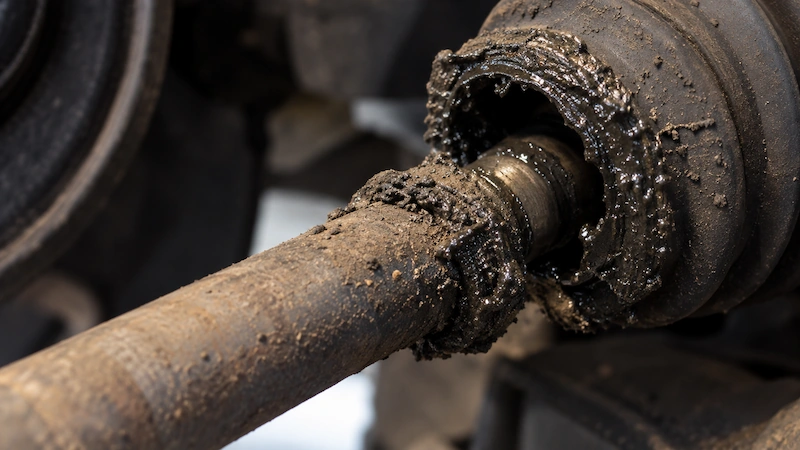
A torn CV boot is less severe than a separated CV joint, but it still needs repair. A torn boot lets grease escape and contamination enter the joint.
How Long Can You Drive Like This?
Drive as little as possible. A truck with the outer stub shaft clamping the wheel bearing may work for a short distance without immediate failure, but a sealed unitized hub and no stub shaft can fail quickly.
There is no safe mileage number for every 4×4. Some drivers report hub separation near the 10-mile mark. Others see wheel tilt almost right away. The deciding factors depend on hub design, bearing condition, axle nut clamp load, and how the front differential is sealed. Get your truck to a driveway, shop, or trailer, then fix it.
Does Your Truck’s Setup Change the Answer?
Yes. The safe answer changes with the front-end design. Most modern 4×4 pickups and SUVs like F-150, Silverado, Sierra, Ram 1500, Tundra, Tacoma, 4Runner use front CV axles. They often use unitized hub assemblies, so the outer CV stub shaft and axle nut matter a lot.
Solid front axle trucks with manual hubs can be more forgiving. With the hubs unlocked, the wheel side can disconnect more cleanly, and the axle shafts may not spin. Automatic hubs and automatic disconnecting differential systems can act differently because the truck controls the disconnect internally.
A unitized sealed hub can separate without the stub. A serviceable bearing design may use a different retention method. If you cannot identify the hub type, check the service manual, look up the front hub assembly, or ask an axle and hub specialist before driving.
Driving With a Bad CV Axle vs. Driving Without One
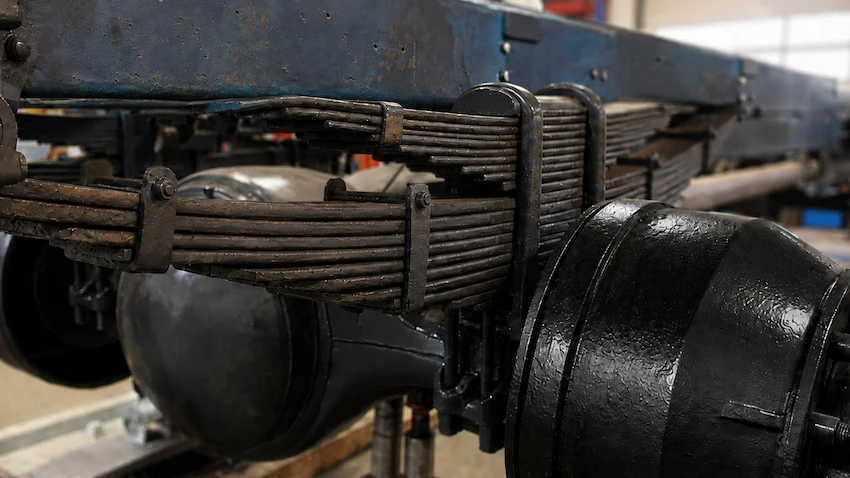
A bad CV axle and a removed CV axle are not the same problem. A failing CV axle still installed in the truck usually keeps the front hub clamped. This can make it safer to limp on than a fully removed axle, even though the axle still needs replacement.
A clicking axle may last a short time, but it is still failing. If the half shaft fails completely, it can leave the truck stranded or damage nearby parts..
What Should You Check Before Moving the Truck?
Before moving a truck with a removed CV axle, you need to check the hub retention, fluid sealing, drivetrain mode, and sensor condition. A qualified mechanic should inspect these items before any road use.
Use this checklist:
- Verify the wheel-bearing design because many unit bearings require axle-nut clamp load.
- Install the correct outer stub shaft when the hub requires axle retention.
- Torque the axle nut to specification with a calibrated torque wrench.
- Seal the differential or transaxle opening to prevent fluid loss and contamination.
- Check the fluid level before starting the vehicle.
- Keep the truck in 2WD when the manufacturer permits temporary movement.
- Unlock manual hubs when applicable.
- Check for ABS, traction-control, or 4WD warning lights.
- Inspect for wheel play at the 12-and-6 and 3-and-9 positions.
- Avoid normal road driving until the correct CV axle is installed.
The service manual gives the final rule for your truck.
Related Reading: Need to lift your truck to check for wheel play or inspect the hub? Before you grab your floor jack, find out can you jack up a truck by the rear differential and learn the safest lifting points for your setup to avoid costly damage.
What Is the Safest Fix?
The safest fix is to replace the missing or damaged front CV axle with the correct part and torque all related fasteners to factory specification. CV axle replacement restores torque transfer, hub retention, seal contact, and driveline alignment. A complete repair usually includes:
- New or remanufactured front CV axle.
- New axle nut when required.
- Differential or transaxle seal inspection.
- Correct CV axle snap-ring engagement.
- Hub-bearing inspection.
- Fluid-level check.
- Road test after repair.
Replace the axle seal when the inner joint leaked or the seal lip was damaged during removal. If the truck moved with the hub unclamped, inspect the wheel bearing and spindle area closely. The hub should turn smoothly, stay tight with no play, and show no grinding or heat damage. The repair may also include resealing the front differential side, cleaning leaked grease, and checking the wheel-speed sensor.

Frequently Asked Questions
Usually no. Driving in 2WD may move the truck, but the missing CV axle can leave the front hub, wheel bearing, and differential unsafe. Install the correct axle or approved stub before driving.
It can lose fluid if the CV axle seals the transaxle or front differential. Many designs rely on the inner CV joint surface to seal the opening.
A missing CV axle can contribute to wheel-bearing separation on designs that need axle-nut preload. The risk depends on the hub design, bearing type, and clamp-load requirement.
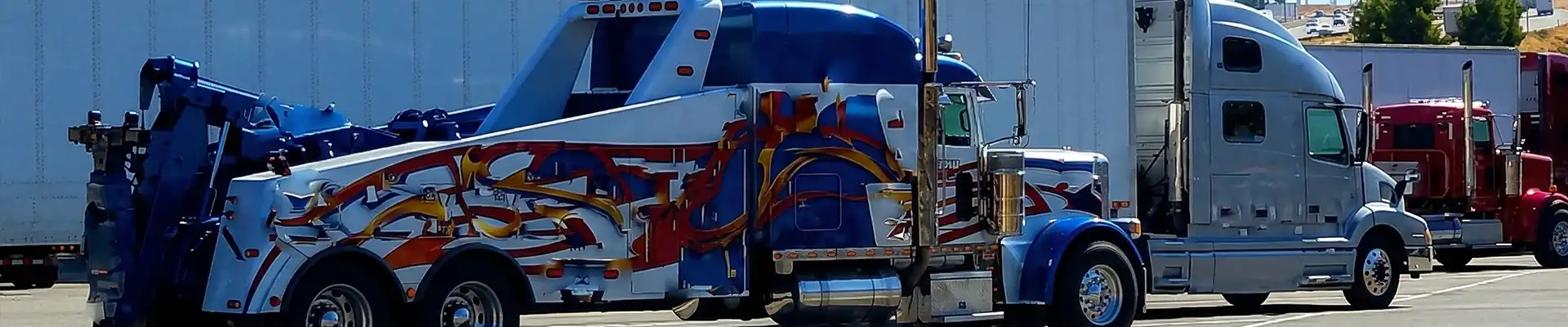
Yes, towing is usually the safer choice. Use the towing method recommended for the truck’s drivetrain. AWD and 4WD systems often need a flatbed to prevent driveline damage.
No. A CV axle connects a differential or transaxle to a wheel hub. A driveshaft usually connects a transmission or transfer case to an axle assembly.
Only a short distance. Treat it as a limp-home setup, not a daily routine. The risk is hub separation, and that can happen fast on trucks with a sealed two-piece hub. Keep the outer stub clamped, stay in 2WD, and repair it soon.
Just deal with the failed side. Removing a good CV axle adds risk and creates another open hub or differential area. Leave the good side alone unless the service manual or a qualified mechanic says otherwise.
It can. Some trucks use wheel speed sensors built into or mounted near the hub assembly. Disturbing that area can trigger ABS, traction-control, or 4WD warning lights. Drive gently and allow extra stopping distance.